


If you’re considering buccal fat removal surgery, you likely have many questions (and that’s completely normal), and we’re glad you have them!
Initially, you might wonder whether cheek reduction surgery is right for you or have questions about how long the procedure takes. However, following that, you’ll likely want to know what the recovery process looks like, so you can plan accordingly and know what to expect before booking a consultation.
We want you to know exactly what’s involved in the journey to more defined cheekbones, so we will reveal how long buccal fat removal recovery takes below. Plus, we’ll uncover what Dr. Mesa says are the absolute do’s and resounding don’ts for faster healing following your face-slimming procedure.
Recovery Time After Buccal Fat Removal
One of the things that attracts individuals to this non-invasive procedure is how quickly it’s performed.
Skilled surgeons like Dr. John Mesa, who’s board-certified and triple fellowship trained plastic surgeon, can complete buccal fat pad excision in approximately 30 to 45 minutes.
Yet, because it’s relatively quick to do, many people assume the recovery process should be incredibly short, as well. In fact, we often get asked, “How many days will it take to recover from buccal fat surgery?”
In the grand scheme of things, the recovery time for this procedure is still short, but realistically speaking, it won’t take just 2 to 4 days. Patients hoping to transform their full, chubby cheeks into a more contoured facial silhouette should expect at least one week of recovery, give or take.
Although you’ll probably be able to see a noticeable difference starting the 3rd week after surgery, it’s crucial that you continue following your surgeon’s instructions. Failing to do so can prolong your recovery time, lead to undesirable outcomes, and increase your risk of complications.
RELATED: Who is a Good Candidate for Buccal Fat Removal?
Important Do’s in Buccal Fat Removal Recovery
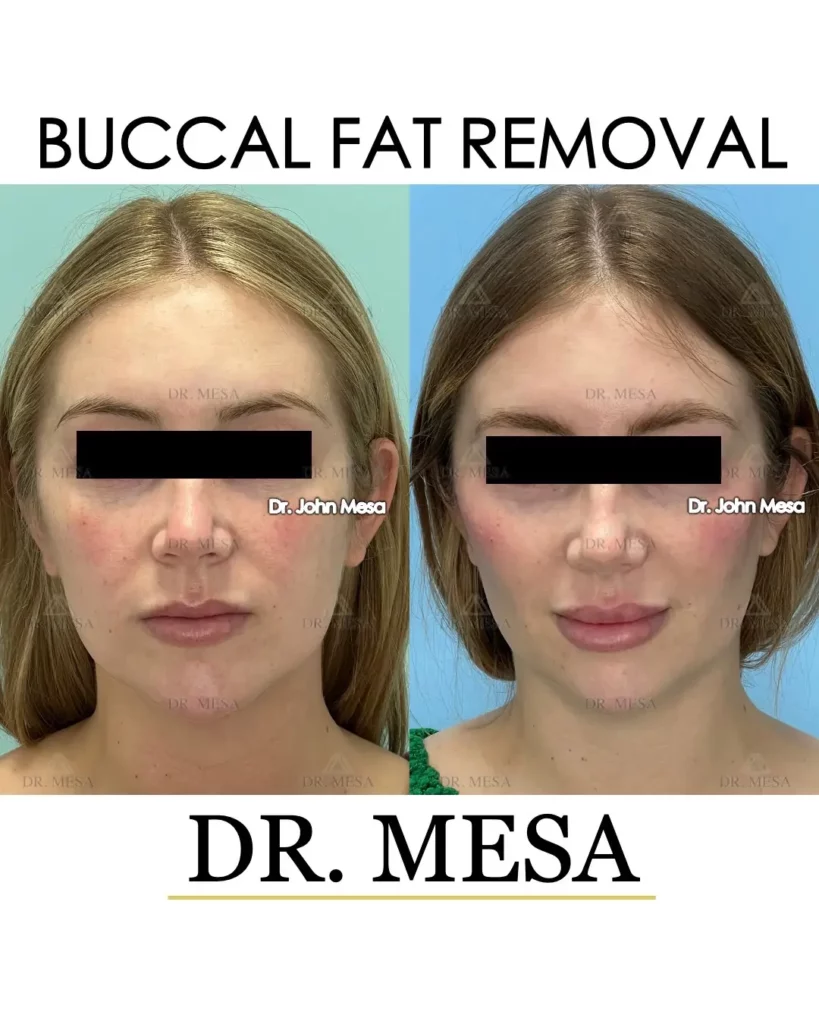
You’ve seen the amazing buccal fat removal before and after photos, and naturally, you desire those results for yourself. To help you achieve your goals, we’ve compiled a list of buccal fat removal Dos that may promote faster healing and fewer complications.
Rest, But Also Keep Moving
Resting after your buccal fat removal surgery is important, but you should also prioritize movement. Research shows that movement can reduce post-operative complications, boost patient satisfaction, and minimize healthcare costs, so it’s worth it.
- During the first week of recovery, try performing light mobility to promote blood circulation, which might mean taking frequent, short walks around your home. Even though the surgery is performed on your face, lying in bed for extended periods after a procedure can increase the risk of blood clots and other issues. Try moving your legs and ankles around in bed and walking around every two hours while awake.
- At this stage, even if you feel up to it, we don’t recommend strenuous activities or heavy lifting.
- Aim to boost your activity level by 15% daily the following week. By the end of the second week, most people feel comfortable returning to their normal activities. However, if your surgeon provides different instructions, always follow their aftercare plan.
Make Dietary Adjustments
The great thing about buccal fat removal is that it doesn’t leave any visible scarring, but this is only possible because the surgery is done on the inner cheek. As a result, patients may believe that they need to modify their diet to promote proper healing and comfort.
However, Dr. Mesa states that his buccal fat removal patients can eat and drink anything they want immediately after surgery, without any restrictions. In the past, he recommended that buccal fat removal patients avoid hard-textured foods like chips or crackers, but then he realized, through his patients’ experiences, that this approach did not affect the outcome.
- Dr. Mesa advises that the only dietary restriction to follow for the rest of the day after buccal fat removal surgery is to avoid foods that are hot in temperature, such as hot coffee, hot tea, or hot soup. He states that since the inside of the mouth is completely numbed due to the local anesthesia used during the procedure, patients may burn themselves without feeling it. The following day, you can eat any type and temperature of food without any restrictions.
- Cold-temperature foods, such as smoothies, ice cream, and popsicles are recommended but not mandatory. The reason we suggest this is because cold-temperature foods may help reduce the intensity of post-surgical swelling after buccal fat removal.
Mouth Exercises After Buccal Fat Removal Surgery
After your buccal fat removal surgery, you may experience some tightness when trying to open your mouth. This happens because the masseter muscle, a chubby muscle located near where the buccal fat removal was performed, can become irritated and swollen after surgery.
To help improve your range of motion and comfort, you will be asked to perform simple mouth exercises.
Mouth Exercises

- Gently open your mouth as wide as you comfortably can, then close it. Repeat this motion 10 times in a row, three times a day, for the first few days after surgery. See example below.
It is important to avoid overstretching your face by smiling too hard, blowing your cheeks, or making exaggerated expressions until you have healed more.
Practice Good Oral Hygiene
Following buccal fat removal surgery, maintaining good oral hygiene is essential to prevent infection and avoid food particles getting stuck in or near the incision.
- Your surgeon may prescribe a medical-grade oral rinse to help with this. You might be told to swish it around your mouth 2 to 4 times daily and/or after every meal.
- Be gentle when brushing your teeth, as well. Until you’ve healed, we recommend doing up-and-down strokes instead of circular ones.
RELATED: Is Buccal Fat Removal Really Worth It?
Take Your Surgeon’s Prescribed and Recommended Medications
At Dr. John Mesa’s clinics in Miami, New York, and New Jersey, we ask that patients fill their prescriptions before surgery so they don’t have to worry about obtaining them afterward.
Plus, you may be directed to start taking medications the night before, the morning of, and/or even the evening of your surgery.
Some of the medications you might be prescribed or told to obtain over-the-counter include:
- Antibiotics – to reduce the risk of infection
- Pain reliever
- A medication to reduce swelling
- Arnica – to minimize inflammation and bruising
- Stool softener or laxative – anesthesia and narcotic pain relievers can cause constipation.
Use Your Ice Packs
Ice packs are one of the simplest and cost-effective ways to manage swelling and even postoperative pain after buccal fat removal surgery. Patients who diligently use ice packs immediately after surgery and the day after tend to experience less swelling.
Stay Hydrated
Proper hydration is key to recovery after buccal fat removal, so strive to drink 8 to 10 glasses of water daily. It helps encourage circulation, promotes cellular repair and wound healing, and flushes out anesthesia.
Some other options to stay hydrated include:
- Non-citrus juices
- Broth
- Decaffeinated tea
Communicate with the Clinical Team About Concerns
Suppose you are or believe you might be allergic to any of the prescribed or recommended medications. In that case, it’s crucial that you share this information with your surgeon before your procedure. They’ll provide you with a substitute medication.
While rare, some people might develop hives or itching after taking certain medications post-surgery. If you do, notify your care team immediately and discontinue the drug, as you could be having an allergic reaction.
You should also seek medical attention if you experience any of the following:
- Continuous, heavy bleeding
- Ongoing nausea and vomiting
- Difficulty breathing
- Significant visual changes
- Signs of infection: warmth at the incision site, excessive drainage or pus from the surgical area, intensifying pain, chills, and fever over 101°F
Bonus Tip: Be sure to attend all of your post-surgery follow-up appointments. That’ll allow your clinical team to assess your progress, answer questions, and make recommendations.
3 Definite Don’ts in Buccal Fat Removal Recovery
In addition to those do’s, there are some things you should avoid to ensure proper recovery. Consider the following:
Avoid Smoking
The body requires oxygen and nutrients to create new tissue and heal wounds, but the chemicals in cigarette smoke can hinder this process. Smoking narrows the blood vessels, thus slowing down the blood supply and prolonging the process. It also thickens the blood, which encourages blood clot formation. On top of that, it increases your risk of inflammation and infection, which is a recipe for a bad recovery.
We want you to love your results and have little to no complications, and one of the best ways to achieve that is to avoid smoking for at least two weeks post-surgery.
Do Not Consume Alcohol
Alcohol thins the blood and can increase bleeding, which can extend your recovery time. Plus, if you’re taking medications, alcohol can result in a bad reaction or even lessen the effectiveness of those drugs. As a result, we recommend that you don’t consume alcohol for at least one week before undergoing the procedure.
Don’t Eat an Unhealthy Diet
How well you heal and even how fast you recover largely depends on the food you eat. Prioritize nutrient-dense meals, which will give you the vitamins, minerals, and protein needed to repair tissues, create new blood cells, and more.
RELATED: Will Buccal Fat Removal Age You?
Schedule Your Buccal Fat Removal Surgery Consultation
You’re now equipped with Dr. Mesa’s tips about the dos and don’ts of for a smoother buccal fat removal recovery and likely have an idea of whether this procedure is something you’d like to pursue. If you have additional questions or are ready to take the next step, we recommend booking an appointment with Dr. Mesa, the surgeon leading the way in facial contouring.
Our knowledgeable and caring team members in Miami, New Jersey, and New York are ready to assist you. All you have to do is schedule your appointment so we can discuss how we can help you achieve your ideal facial aesthetic.
Frequently Asked Questions
When Can I Go Back To Work After Buccal Fat Removal?
Ultimately, how soon a patient goes back to work after their buccal fat removal procedure depends on their job responsibilities. Typically, patients can return in a few days or in some cases the next day after surgery.
Can I Drive After Buccal Fat Removal Surgery?
Yes, but only if you’re given local anesthesia (without any twilight or oral sedation). At Dr. Mesa’s clinic, we’ve even had patients fly into New York on the day of the procedure and leave via plane afterward, the same day in the evening.
Our team can help you plan out your pre- and post-operation journey, whether you’re coming to New York, New Jersey, or Miami.
What Medications Should I Avoid During Buccal Fat Removal Recovery?
You should avoid common over-the-counter pain killers like Aspirin, Motrin, Advil, etc. (nonsteroidal anti-inflammatory drugs –NSAIDs) until your doctor tells you it’s okay to resume them.
These medications can thin your blood, causing bleeding complications like bruising and even impair tissue healing.