


Buccal fat removal surgery, also known as the chubby cheek reduction procedure, helps you achieve the sculpted facial profile you’ve always dreamed of.
In the last few years, you’ve likely seen numerous before-and-after photos of celebrities and others showing off their amazing results. But you might be wondering, what’s the secret to a successful slim face surgery?
Those hoping for an incredible outcome should prioritize working with an experienced cosmetic surgeon, such as Dr. John Mesa in NYC. He’s a board-certified and triple fellowship-trained surgeon who has helped thousands of people achieve defined cheekbones.
However, what Dr. Mesa considers equally essential to obtaining optimal results is proper aftercare. Therefore, to help you along, we’ve compiled the top recovery tips, along with the expected timeline, for buccal fat surgery.
What To Expect Immediately After Buccal Fat Removal Surgery
So much focus is placed on the procedure itself, but what can patients expect once the surgery is done? While every patient’s experience is unique, we’ll explain what you can anticipate immediately after buccal fat removal.
Your Facial Appearance
This procedure involves excising a portion of the fatty tissue located between your cheekbones and jawline, known as the buccal fat pads. While you might feel compelled to take your “after” photos now, it wouldn’t be the best time due to the following:
Swollen Cheeks
Although the internal incisions are small, like 1 to 2 centimeters (cm), you can expect to have swollen cheeks right after surgery. This is a completely normal physiological response to tissue surgical trauma and is a part of the body’s natural healing process. This indicates that the body is sending immune cells and proteins to the surgical site, allowing it to begin repairing the surrounding tissue.
Some patients are alarmed by the swelling, questioning if the face slimming surgery worked. However, understand that the puffiness you see right after surgery isn’t going to be your final look. While the extent of swelling initially varies, it should gradually decrease as your healing journey progresses. Before long, the cheeks will appear thinner and more sculpted.
Bruising
Patients may also notice mild bruising in the cheek area, but this is extremely rare. This simply means that small blood vessels, also known as capillaries, were damaged during the buccal fat removal procedure. When this occurs, blood leaks into the surrounding tissue, collects beneath the skin, and creates the discoloration we know as bruising.
Bruising is very common, but usually starts to resolve 1 to 2 weeks post-surgery.
Potential Sensations
It’s not unusual for patients to experience nervousness about how they’ll feel following their surgery. Fortunately, if you get buccal fat removal in NYC with Dr. Mesa, you’ll be glad to know that he prioritizes comfort during and after your procedure. He specializes in using local anesthesia, allowing you to remain awake and pain-free during your facial contouring surgery.
Afterward, you’ll feel numbness at the surgical site for a few hours. Once the numbness wears off, you might notice some tightness and/or tingling in your cheeks. This, too, is normal. Patients may experience some discomfort at the incision sites, but using ice packs and over-the-counter pain medications can help alleviate these sensations.
You’ll notice some “oozing” (bleeding) from inside the mouth after your procedure, too. However, do not worry; this typically only lasts a few days.
RELATED: Understanding the Benefits of Local Anesthesia
Days 1 – 3: Important Aftercare Tips and Recommendations
Because buccal fat removal is a minimally invasive procedure that only lasts for 45 minutes, you’ll be able to return home the same day. In fact, you can drive yourself since it’s performed under local anesthesia. Some of our clients even fly into NYC for surgery, and fly home a few hours after buccal fat removal with guidance from our staff.
Nonetheless, how you handle the first 72 hours following buccal fat surgery sets the stage for your healing journey. Patients can still expect swelling and some discomfort on days 2 and 3, but it’s important not to do anything that’ll worsen it.
To ensure you’re on track to obtain the best facial contouring results, be sure to follow the suggestions shared below.
Avoid Strenuous Activities
- During this phase of recovery, it’s crucial to avoid intensive activities that raise your heart rate and cause rapid breathing.
- Some examples of such activities include swimming laps, running, lifting heavy weights, shoveling snow, or moving furniture.
- Performing these actions may increase blood flow to the face, exacerbating swelling and discomfort.
- Patients also risk reopening the wound and experiencing excessive bleeding, so it’s best to take it easy until your surgeon gives you the “okay”.
- Most patients can perform light exercises and activities without difficulty by day 2 or 3. This might look like prepping food, making your bed, washing dishes, and gentle stretching.
Stay Away From Certain Activities
There are actions you’ll absolutely want to avoid during the first few days of healing, such as:
- Alcohol consumption: Doing so can increase your risk of complications, including infection, impaired cardiac function, and prolonged wound healing.
- Smoking: Research shows that cigarette smoking can disrupt wound healing, raise the risk of infection, and cause postoperative pulmonary complications. Therefore, we recommend not smoking for at least a week.
- Taking Anticoagulants: Blood-thinning medications, such as aspirin, ibuprofen, and naproxen (sold under the brand names Aleve, Advil, and Excedrin), reduce the body’s ability to clot blood. This not only makes it easier to bleed, but also could lead to excessive bleeding at the incision site.
- Using Certain Supplements and Foods: Some herbal supplements, such as vitamin E, turmeric, ginger, and fish oil, also impact blood thinning. If you’re not sure which ones you should avoid, speak with your surgeon about the supplements you take before surgery.
Stay Hydrated and Follow Dietary Suggestions
- If you’re dehydrated, it’ll make it difficult for your body to deliver oxygen and essential nutrients to the incision site. This can ultimately delay tissue repair and impact your results. Therefore, make a point to drink plenty of fluids. Also, use straws with caution, as the suction involved could affect the surgical area.
- As far as eating goes, Dr. Mesa tells his patients that they can consume almost anything they want. On the day of surgery, though, it’s best not to consume hot temperature foods and beverages, like soup, tea, and coffee.
Sleep Carefully After Surgery
- Although the incisions are inside your cheeks, how you sleep still matters. We encourage patients to try sleeping on their backs with their heads elevated, as this helps decrease swelling. It also protects your incisions, as you won’t be applying unnecessary pressure to the area.
Days 4 – 7: Improved Healing and Subtle Facial Changes
Depending on your typical job functions, you should be able to return to work by day 3 or 4. In certain types of jobs, especially if you work from home, you might be able to return to work the next day.
Your surgeon will recommend when you can safely resume work based on what your regular duties are. Keep in mind that those who work from home typically don’t require as much downtime as individuals with a physically intensive job.
Decreased Cheek Swelling and Bruising
- At this point, cheek swelling and minor bruising are likely still noticeable, but neither should be as prominent. By the end of the first week, many patients will have even noticed a change in their facial appearance. Their cheeks won’t look as puffy, allowing them to see some of the procedure’s contouring effects.
- Realistically, though, many patients aren’t comfortable going out in public at this phase due to the level of swelling and bruising.
Continue Following Prescribed Medications and Instructions
- Patients may experience some discomfort during this time, which we consider a normal part of the process. To alleviate soreness, over-the-counter pain medications like acetaminophen will take care of that discomfort.
Practice Good Oral Hygiene
- If you’ve been instructed to use a special mouth rinse, continue utilizing that. In addition, be sure to brush your teeth gently. Using a soft-bristled toothbrush, along with the rinse, helps keep the mouth clean, decreases the odds of incision irritation, and reduces the likelihood of a wound infection.
Attend Your Follow-up Appointments
- Dr. Mesa likes to see his patients 10 weeks after surgery so he can assess how well they’re healing. These appointments can be conducted virtually or in person. Missing these appointments can affect your outcomes.
RELATED: How Long Does Buccal Fat Removal Recovery Take?
2 to 3 Weeks After Surgery: Enjoy Your Amazing Before and After
During this stage of buccal fat removal healing, most of the swelling and bruising have subsided. There may be some residual swelling for a few months as the new contours settle into place, but it’s nothing that’ll look that noticeable to others.
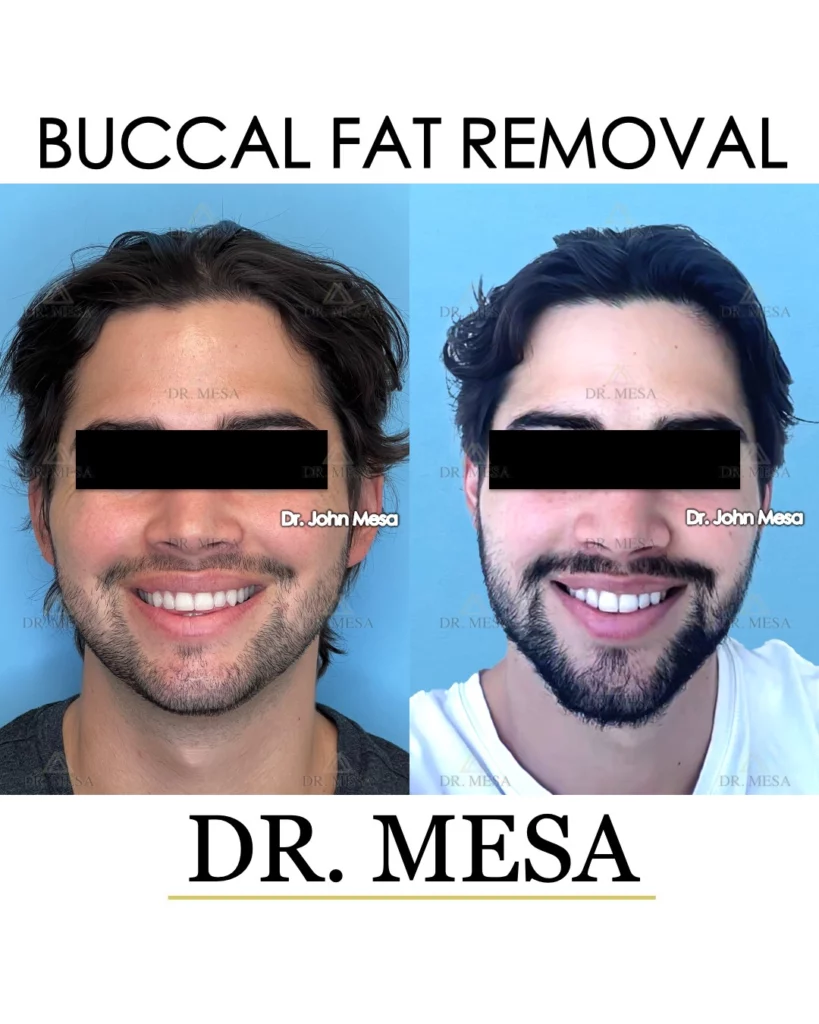
By now, most patients have returned to nearly all of their regular routines and can start enjoying their brand-new chiseled facial profile that is starting to show up. The final results after buccal fat removal are going to be visible between three to four months after the procedure.
Schedule a Buccal Fat Removal Consultation in NYC
If you want chubby cheeks to be a thing of the past and desire more defined cheekbones that enhance your facial profile, you’re at the right place. You’re only a couple of steps away from learning if buccal fat removal surgery in NYC is right for you.
Simply book a consultation with Dr. Mesa to get started!
Frequently Asked Questions
Do Buccal Fat Pads Grow Back Once They’re Excised?
Once your buccal fat pads are removed, they don’t grow back. This procedure offers permanent results, so even if you gain weight, the fat won’t return.
How Can You Promote a Quick Recovery?
The key to a speedy recovery following buccal fat removal is to follow your surgeon’s instructions, avoid smoking and consuming alcohol, stay hydrated, and protect your incisions.